


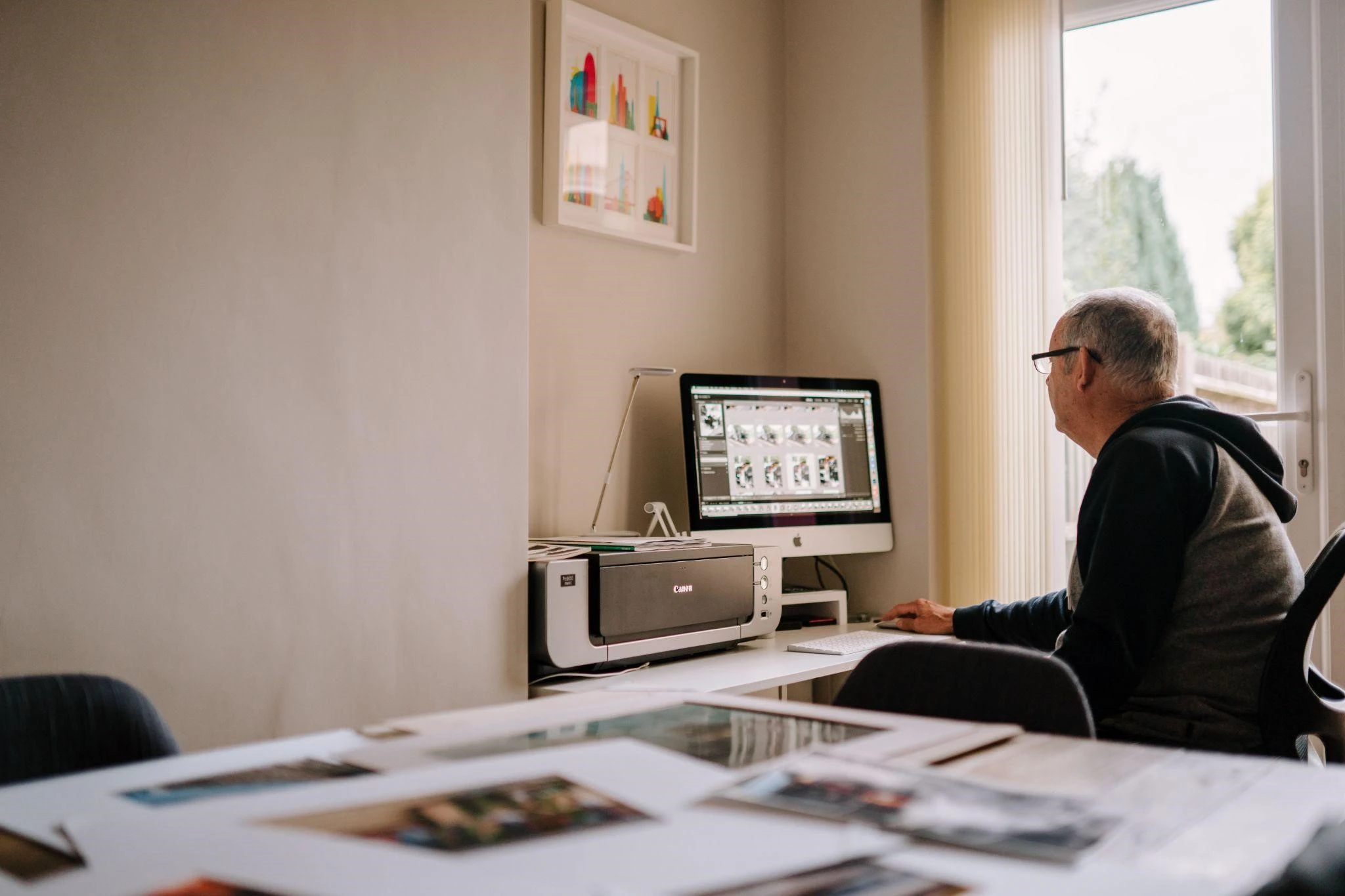


Have you ever entered a house that felt complete — warm, welcoming, and truly original — even without expensive finishes or trendy furniture? That’s not luck. It’s the result of mastering the main dynamics of interior home design that turn simple rooms into purposeful, comfortable living spaces.
Interior design isn’t about copying trends. It’s about understanding how space, color, light, and layout work together to reflect your lifestyle, taste, and everyday needs. When these elements are balanced correctly, any home can be both beautiful and efficient.
The best interior design is a balance between beauty and function. It should look good and work even better.
Space & Scale
Space is your canvas. Scale is how well everything fits into it. This is one of the most important elements of interior home design because all other decisions depend on it.
- Measure your room and doorways before buying large furniture
- Use painter’s tape to outline the furniture size on the floor
- Choose slim, raised-leg furniture for small rooms
- Use tall shelves or floor-length curtains for low ceilings
Color Palette
Color shapes the emotional and visual feel of a room. It can make a space cozy, calm, energetic, or elegant.
Use the 60–30–10 Rule
- 60% – Primary color (walls, large furniture)
- 30% – Secondary color (rugs, curtains, chairs)
- 10% – Accent color (pillows, artwork, décor)
Tip: Warm tones feel inviting. Cool tones feel calm and refreshing.
Add Depth Without Clutter
Texture and pattern bring life into a room.
- Texture = How things feel (linen, wood, stone, rugs)
- Pattern = Visual design (stripes, florals, geometric prints)
Avoid: Using too many bold patterns at once. Stick to 1–2 and vary their size.
Form Must Follow Function
Before a room looks good, it needs to work well.
Layout Guidelines
- Arrange seating to encourage conversation
- Leave 18–24 inches for walkways
- Keep dining tables 36 inches from walls
- Place desks near windows for natural light
The Most Underrated Design Element
Lighting controls mood, comfort, and style.
Use Layered Lighting
- Ambient – General lighting (ceiling lights, chandeliers)
- Task – Work lighting (reading lamps, under-cabinet lights)
- Accent – Highlight lighting (art spotlights, shelf lights)
Tip: Use dimmers and warm bulbs (2700K–3000K).
Accessories & Personal Touches
Beautiful homes are not perfect — they’re personal.
Add:
- Family photos
- Travel souvenirs
- Handmade art
- Indoor plants
Styling Hack: Use the rule of three when decorating shelves and tables.
Make Everything Work Together
Balance keeps the room from feeling heavy on one side.
- Symmetrical balance = Classic and formal
- Asymmetrical balance = Modern and relaxed
Step back and check if any area feels too crowded or too empty.
Key Elements of Interior Home Design
| Element | Purpose | Result |
|---|---|---|
| Space & Scale | Proper fit | Comfortable layout |
| Color Palette | Mood control | Visual harmony |
| Texture & Pattern | Depth | Warm, interesting rooms |
| Furniture Layout | Function | Easy movement |
| Lighting | Ambience | Cozy, stylish feel |
| Accessories | Personality | Unique interiors |
| Balance & Harmony | Cohesion | Polished design |
FAQs
1. What are the most important aspects of interior home design?
Space planning, color, lighting, furniture layout, texture, and balance.
2. How can I improve interior design on a budget?
Rearrange furniture, improve lighting, repaint walls, and add simple décor like plants and cushions.
3. Why is lighting important in interior design?
Lighting controls mood, highlights features, and improves comfort and function.
4. Can small homes have beautiful interiors?
Yes. With smart layout, light colors, and good lighting, small homes can look elegant and spacious.
Wrapping Up
The main dynamics of interior home design are not rules — they are tools. When you understand how space, color, lighting, layout, and décor work together, your home stops feeling random and starts feeling intentional. You don’t need a big budget or a design degree. You just need the right foundation. Apply these elements step by step, and your home will naturally become more beautiful, comfortable, and uniquely yours.