



Most beginner gardens do not fail because of bad luck. They fail because of a handful of small, repeated mistakes that nobody warns you about before you buy your first bag of soil. Overwatering, planting in the wrong spot, ignoring the soil underneath, and giving up too early are the real reasons a first garden turns into a patch of wilted stems by August.
This guide is built differently from the usual “buy good soil and get six hours of sun” advice you find everywhere. Yes, sunlight and soil matter, but this article also covers the parts beginners rarely read about: how to actually test your soil at home without a lab kit, how to map the hidden microclimates in your own backyard, how to stop tools from spreading disease between plants, and how to use a simple journal to cut your learning curve in half.
If you also care about the outdoor space around your garden, from shaded seating to pollinator-friendly corners, this guide connects those dots too. Let’s go through all 25 tips, grouped so you can actually use them instead of just reading them once and forgetting.
Planning Your Garden the Right Way
1. Map your yard’s microclimates before you plant anything. Most guides tell you to find a spot with six hours of sun. Few tell you that your yard likely has three or four different microclimates within a few metres of each other. A corner near a brick wall holds heat longer, a low spot near a fence collects cold air overnight, and an area under a tree canopy stays shaded even in summer. Spend one weekend walking your yard at 9 am, 1 pm, and 5 pm, and jot down which areas get direct sun, dappled light, or full shade at each time. This fifteen-minute exercise prevents more plant deaths than any fertiliser ever will.
2. Start with a garden the size of a rug, not a room. Beginners consistently overestimate how much time weeding and watering will take. A 4×4-foot bed or three medium containers is plenty for your first season. You can always expand once you know how much upkeep actually fits your schedule.
3. Choose your garden’s purpose before its plants. Are you gardening for fresh vegetables, cut flowers, or simply to have a relaxing outdoor space? A kitchen garden and a calming retreat garden are laid out completely differently. If a quiet, structured space appeals to you, our guide on Japanese garden designs shows how simple elements like gravel, moss, and clean lines can turn even a small backyard into a peaceful retreat.
4. Plan around your water source, not just your sunniest spot. A garden that needs a 40-foot hose drag every single day gets neglected within three weeks. Position your beds or containers within easy reach of a tap, or plan for a rain barrel nearby.
5. Sketch your layout on paper first. Draw a simple top-down sketch marking sun exposure, water access, and existing structures like fences or sheds. This ten-minute sketch saves you from replanting things twice, once you realise a tree’s shadow falls exactly where your tomatoes are.
Understanding Your Soil (The Part Everyone Skips)
6. Do a simple jar test before buying any soil. Fill a clear jar one-third with soil from your yard, add water, shake it, and let it settle overnight. The layers that form (sand at the bottom, silt in the middle, clay on top) tell you your soil type in one try, without sending samples anywhere.
7. Run a DIY pH check with kitchen ingredients. Put two soil samples in separate cups. Add vinegar to one; if it fizzes, your soil is alkaline. Add water plus baking soda to the other; if it fizzes, your soil is acidic. It is not lab-precise, but it tells you whether you are dealing with acidic or alkaline ground, which affects nearly everything you plant.
8. Feed the soil, not just the plant. Compost improves clay soil’s drainage and sandy soil’s water retention at the same time, which is rare for any single amendment. Work 2 to 3 inches of compost into the top 6 inches of soil before your first planting.
9. Mulch immediately after planting, not weeks later. A 2 to 3 inch layer of mulch applied on planting day blocks weed seeds before they germinate. Waiting even two weeks lets weeds establish roots that are far harder to remove later.
10. Rotate where you plant each season. Growing tomatoes in the same 2 square feet every year lets soil-borne diseases build up. Even in a small garden, shifting vegetable families to a different bed section each year keepsthe soil healthier long term.
Watering and Feeding Like a Pro
11. Use the knuckle test instead of a schedule. Push your finger into the soil up to the second knuckle. If it’s dry at that depth, water. If it’s damp, wait. This single habit prevents the most common beginner mistake: watering on a fixed schedule regardless of what the plant actually needs.
12. Water deeply and less often, not lightly every day. A quick daily sprinkle only wets the top inch of soil, training roots to stay shallow and weak. Watering deeply two or three times a week encourages roots to grow down, which makes plants more resilient during hot spells.
13. Water the soil, not the leaves. Wet foliage in the evening is one of the biggest causes of fungal disease in home gardens. Aim the hose or watering can at the base of the plant, and water in the morning so any splashed leaves dry before nightfall.
14. Feed lightly and often rather than heavily and rarely. A diluted liquid feed every two to three weeks during the growing season works better for beginners than a single strong dose of fertiliser, which can burn young roots.
Choosing and Protecting Your Plants
15. Pick plants rated for your exact hardiness zone. A plant hardy to zone 4 will survive winters where you are if you’re in zone 5 or higher, but the reverse is not true. Check your zone before buying anything you plan to keep year after year.
16. Start with forgiving, fast-growing crops. Radishes, bush beans, zucchini, cherry tomatoes, and marigolds forgive beginner mistakes far more than finicky crops like cauliflower or celery.
17. Use companion planting to cut down on pests naturally. Marigolds planted near tomatoes repel nematodes, and basil planted near peppers is thought to improve growth while confusing pest insects that hunt by scent. It is a low-effort way to reduce chemical use in a small space.
18. Leave a wild patch for pollinators. A small, deliberately unmowed corner with native flowers gives bees and butterflies a place to nest and feed, which in turn improves pollination for the rest of your garden. If you want to go further, our piece on what you can do to save our bees breaks down simple additions, like shallow water dishes and bee hotels, that make a real difference.
19. Inspect the undersides of leaves weekly. Most pest problems (aphids, spider mites, and early blight) start on the underside of leaves, not the top. A thirty-second weekly check catches infestations while a strong spray of water or neem oil can still handle them, before they spread.
Tools, Records, and Long-Term Success
20. Clean your tools between plants, not just at season’s end. Wiping pruners or shears with rubbing alcohol between plants stops the spread of viruses and fungal diseases that can otherwise move from one plant to your entire bed within days.
21. Keep a one-line garden journal. Note the planting date, what you planted, and one observation each week. After a full season, this simple record tells you exactly what worked, which is far more useful than trying to remember details months later.
22. Save seeds from your best-performing plants. Beginners rarely realise that seed saving from open-pollinated (non-hybrid) plants is one of the cheapest ways to build a garden that is naturally suited to your exact soil and climate over time.
23. Succession plant fast crops for a longer harvest. Instead of sowing all your lettuce or radish seeds on one day, plant a small row every two weeks. This spreads your harvest over months instead of getting everything ready at once.
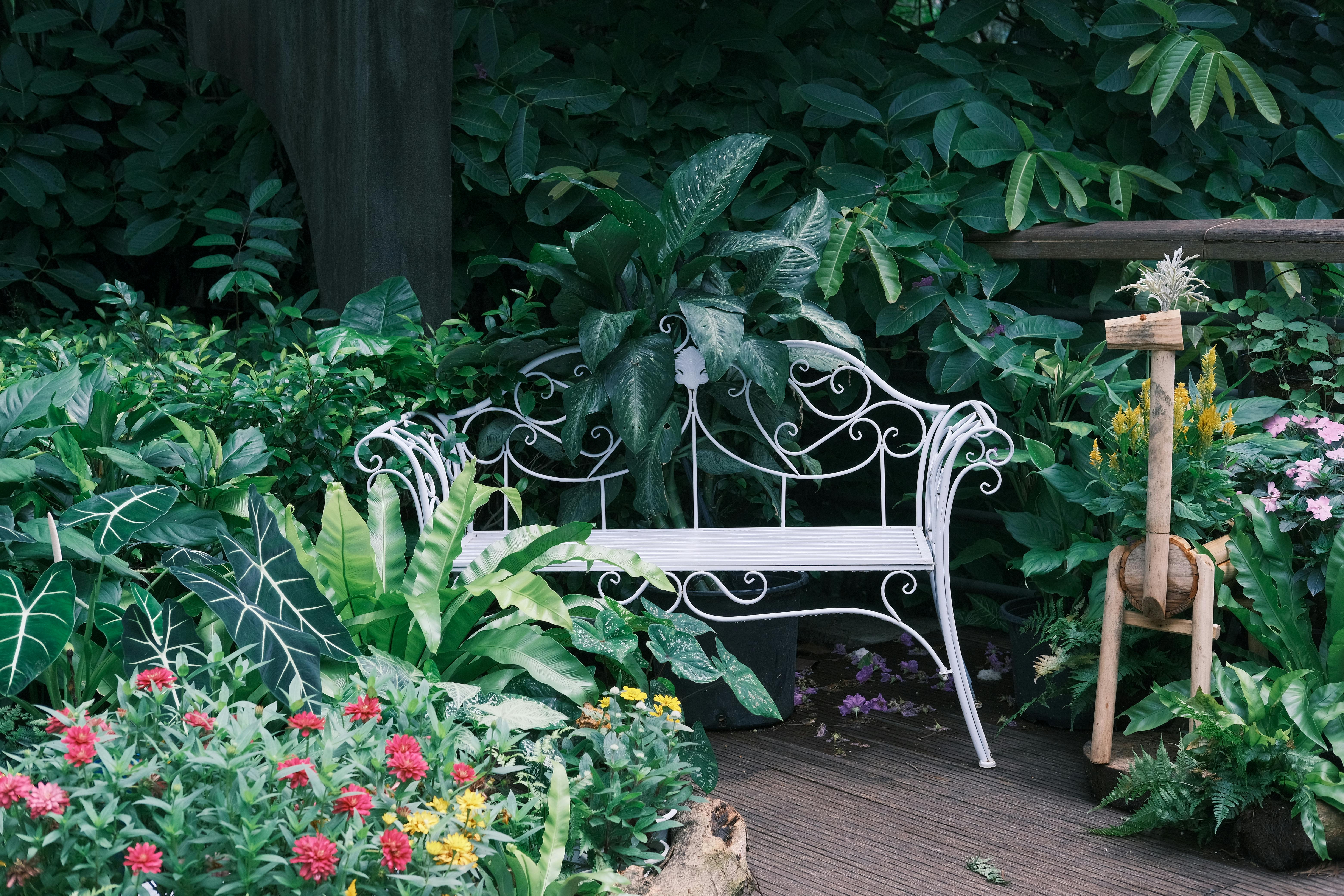
24. Add shaded seating so you actually enjoy the space. A garden you never sit in is a garden you stop maintaining. Even a small bench under a shade structure, paired with good airflow from a well-placed outdoor ceiling fan, turns a working garden into a space you want to spend evenings in.
25. Consider solar-powered additions for lighting and water pumps. Solar garden lights and small solar water pumps for a birdbath or container pond need no wiring and run on daylight alone. If you are curious how feasible a small solar setup is for your own home, our guide on DIY considerations for solar panel installation walks through the basics before you commit to anything larger.
Common Beginner Mistakes to Avoid
A few mistakes show up in almost every failed first garden, so it is worth naming them directly. Planting too many species in too small a space, ignoring soil health while focusing only on the plants above ground, watering on a fixed schedule instead of checking actual soil moisture, and giving up after the first pest problem instead of treating it as normal are the four patterns that end more beginner gardens than weather or bad luck ever does. Fix these four habits, and you are already ahead of most first-time gardeners.
FAQs
What is the easiest vegetable for a beginner to grow?
Radishes and bush beans are among the easiest, since they germinate quickly and tolerate minor watering mistakes.
How much sunlight do most vegetable plants need?
Most vegetables need at least 6 hours of direct sunlight daily to grow and produce well.
Is it better to grow in the ground, raised beds, or containers?
Containers and raised beds suit beginners with poor soil or limited space, while in-ground beds work well if your existing soil is already decent.
How often should a beginner water their garden?
Check soil moisture with a finger test rather than a fixed schedule, and water deeply two to three times a week rather than lightly every day.
When is the best time to start a garden?
Start after your area’s last average spring frost date, which you can find using your local hardiness zone information.
Conclusion
A healthy, beautiful garden is built from small, consistent habits rather than one perfect planting day. Get to know your soil and your yard’s microclimates, water based on what the soil actually needs, choose forgiving plants while you learn, and keep a simple record of what works. Do that, and your first season will teach you more than any guide, including this one, ever could.